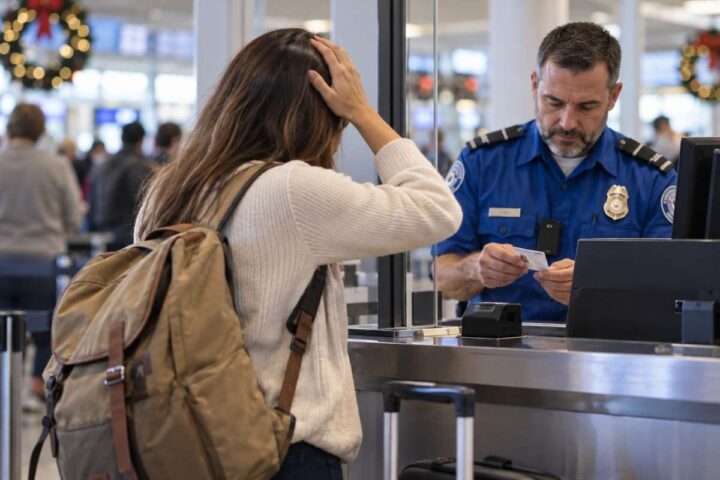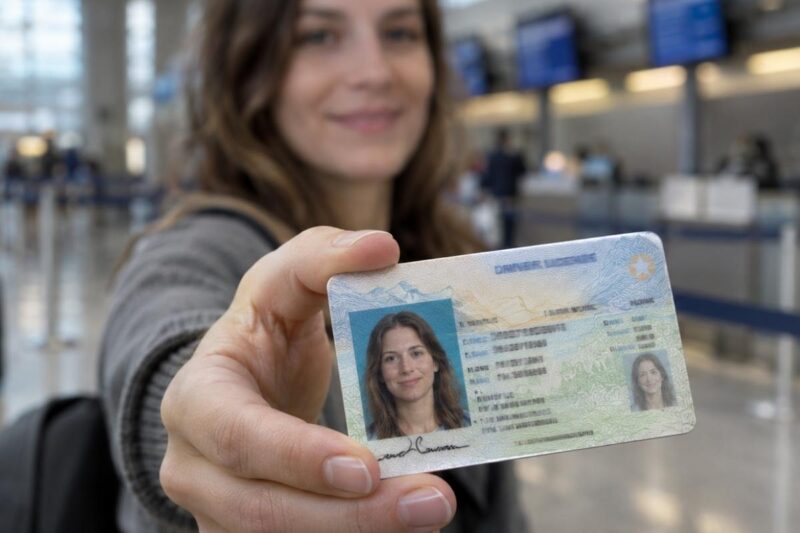
Imagine two travelers arriving at airport security.
One has a driver’s license that expired 18 months ago. Another has a temporary paper license issued by the DMV yesterday.
You might expect the traveler with the newer document to have an easier time getting through security.
Except TSA rules can produce the opposite result.
An expired driver’s license may still be accepted for airport identification for up to two years after its expiration date, provided it meets federal requirements. A temporary paper license, despite being officially issued and perfectly current, isn’t accepted as standalone identification.
Apparently, a piece of plastic can have a longer administrative life than a freshly printed government document.
So why does TSA treat them differently?
TSA Gives Certain Expired Licenses Two More Years
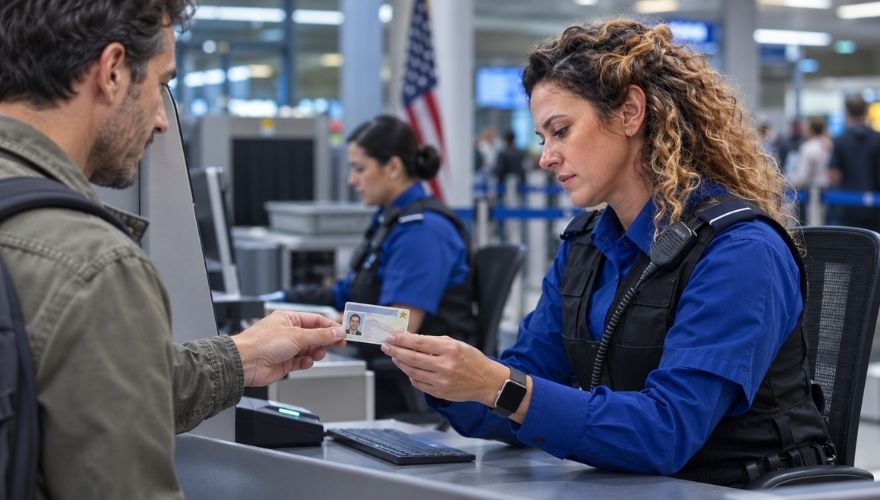
Expiration dates usually mean something fairly straightforward. Once a driver’s license expires, it generally stops authorizing its holder to drive until renewed. Airport security follows a different rule.
According to the Transportation Security Administration’s identification requirements, TSA accepts otherwise qualifying identification for up to two years after expiration.
A REAL ID-compliant driver’s license that expired in October 2025, for example, could still be accepted at a TSA checkpoint in September 2027. Driving with that same expired license would be another matter.
TSA distinguishes between a document’s usefulness for proving identity and its validity as a driving credential. Expiration doesn’t automatically erase its identification value under federal screening rules. But there’s an important limitation.
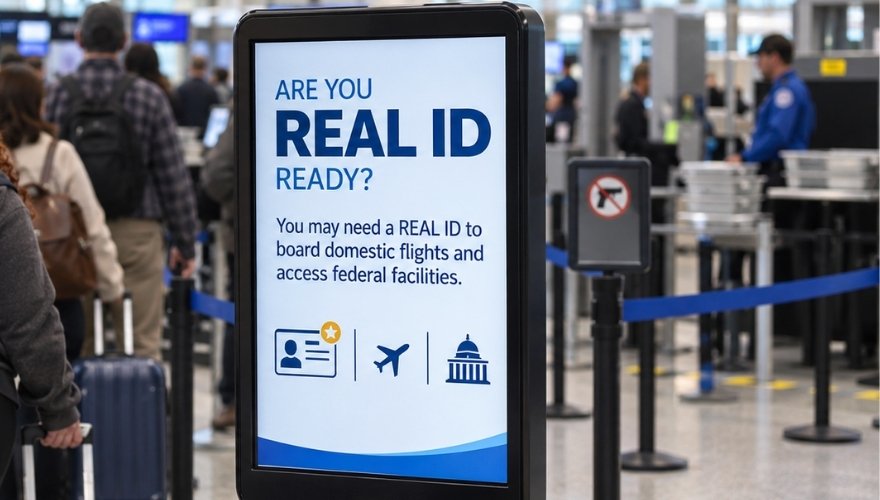
Since May 7, 2025, adult passengers using state-issued driver’s licenses or identification cards at domestic airport checkpoints generally need REAL ID-compliant credentials or another federally accepted alternative.
A standard driver’s license that doesn’t meet those requirements doesn’t become acceptable simply because it expired recently.
REAL ID-compliant licenses typically carry a star near the upper corner. Certain state-issued enhanced driver’s licenses also qualify under TSA rules.
In other words, TSA’s two-year allowance isn’t permission to bring just any expired card. Eligibility comes first, and the expiration allowance comes afterward.
A Temporary Paper License Doesn’t Get the Same Treatment
Renewing a driver’s license can leave someone holding an awkward substitute.
Many state motor vehicle departments issue temporary paper credentials while permanent plastic cards are being manufactured and mailed.
Such documents may legally authorize someone to drive under applicable state rules.
Unfortunately, TSA doesn’t accept temporary paper driver’s licenses as standalone identification at airport checkpoints.
Why?
State DMVs issue licenses under state transportation and identification rules. TSA operates under federal aviation security requirements that determine which documents qualify for identity verification.
Physical identification cards also contain security features that support authenticity checks. TSA’s Credential Authentication Technology, for example, helps officers authenticate identification and verify passenger information.
A temporary paper credential doesn’t necessarily provide the same standardized features.
Consider someone who renews a REAL ID-compliant license three days before a domestic flight.
Their DMV issues a temporary paper replacement, but the permanent card won’t arrive for another week.
If the traveler still possesses the old physical REAL ID-compliant license and it falls within TSA’s two-year expiration allowance, that card may be acceptable at security.
If the DMV collected the old card and the traveler has only the temporary paper document, they need another accepted ID or TSA’s alternative verification process.
Same renewal. Same person. Very different airport experience.
You May Still Fly Without Acceptable ID, but There’s a Catch
Arriving without acceptable identification doesn’t necessarily mean the trip is over.
TSA offers an alternative identity-verification process called ConfirmID, which began operating under its current fee structure on February 1, 2026.
According to the official TSA ConfirmID payment instructions, travelers aged 18 and older without acceptable identification can pay $45 to attempt identity verification.
Payment covers a 10-day travel period beginning on the travel start date entered during payment. It isn’t a permanent replacement for identification.
Travelers must pay through Pay.gov and present their electronic or printed payment receipt at the checkpoint.
Paying doesn’t guarantee entry.
TSA must still establish the passenger’s identity. Additional verification procedures and security screening can create delays, and unsuccessful verification can prevent someone from entering the secure airport area.
There’s another easily missed detail.
Travelers who reach security without acceptable identification and haven’t paid the fee may need to leave the line, complete payment, and return to the end.
A forgotten plastic card can suddenly become a $45 problem with a scheduling complication attached.
A valid U.S. passport, passport card, or another accepted identification document is generally a more dependable solution.
The Detail Worth Checking Before Your Next Flight
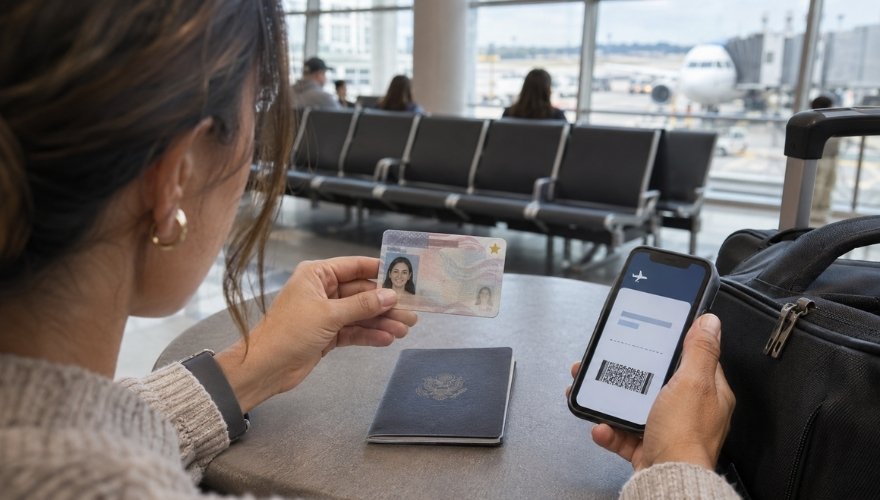
An expired license and a temporary replacement may look like two versions of the same credential, but their treatment at airport security can differ considerably.
Before heading to the airport, check three things:
| What to Check | Requirement | What to Do |
| ID type | REAL ID compliant | Check TSA eligibility. |
| Expiration | Within two years | Verify expiration date. |
| Backup ID | TSA-accepted document | Bring a passport or other valid ID. |
Travelers should also distinguish domestic screening requirements and international travel documentation.
An expired license accepted at a domestic TSA checkpoint doesn’t replace a passport required for international travel.
Airlines and destination countries can impose additional documentation requirements.
Age matters, too. TSA generally doesn’t require children under 18 to present identification for domestic flights, although airline policies and certain TSA PreCheck circumstances can introduce exceptions.
Checking the current TSA identification list before departure is considerably easier than resolving an identification problem while boarding begins.
Newer Doesn’t Always Mean More Valid
A driver’s license can expire and still qualify as identification at airport security for another two years.
Meanwhile, a temporary replacement issued yesterday may not qualify at all.
Neither outcome necessarily tells you anything about someone’s legal permission to drive.
TSA applies federal identification standards, and those standards don’t always follow the expiration dates and temporary permissions established by state motor vehicle departments.
An expired license may have stopped being useful behind the wheel. At the airport, it can still have another two years of life.
A temporary paper replacement might not get a single day.